

The NAD programme
Neuroscience Academy Denmark (NAD) offers 16 fully funded PhD fellowships per year to exceptional and highly motivated candidates pursuing a career in neuroscience research. NAD is funded by the Lundbeck Foundation and is a collaborative national initiative that brings together the neuroscience research environments of Aalborg University, Aarhus University, University of Copenhagen, and the University of Southern Denmark and includes more than 200 laboratories from these universities. In addition, the neuroscience research environments based at the University hospitals are also active NAD partners.
The NAD programme spans four years, beginning with one pre-PhD year followed by a three-year PhD project.
Programme highlights
- Explore diverse research environments through three lab rotations across Denmark’s neuroscience community during the pre-PhD-year
- Strengthen your scientific foundation through specialised courses and workshops
- Expand your network at retreats and events
- Develop your own PhD project in close collaboration with your supervisor(s)
- Pursue three years of focused PhD research in a laboratory aligned with your scientific interests
How the four years work
The pre-PhD year
- Complete three lab rotations in different research groups in Denmark
- Attend specialised neuroscience courses
- Develop and write your own project proposal
Your PhD project
- Conduct three years of research in your laboratory of choice
- Develop your project in collaboration with your supervisor
- Benefit from the research funding attached to the fellowship
- Participate in retreats, courses and nationwide networking activities
- Complete and defend your thesis
After three lab rotations, you select your supervisor and co-supervisor(s) and develop your PhD project proposal with them. As an NAD Fellow, you are the grant holder.
Who can apply
Open to all
Applications are welcome from anywhere. You do not need to be in
Denmark when you apply.
English
Everything in the programme runs in English. No Danish is required.
English skills certificate required if your education was taken outside
Europe in another language than English.
MSc or MD
Must be in a relevant field, e.g., neuroscience, biomedicine,
pharmacology, biomedical engineering, human physiology/biology, computer
science or other related fields.
Not yet
You do not need a supervisor lined up. That is what the pre-PhD year
is for.
Applications for the 2026 cohort are closed. The next call opens in spring 2027.
NAD Fellows/Papers

Andreas Lindholm
2026 Fellow
PhD laboratory announced in November

Anne van den Heuvel
2026 Fellow
PhD laboratory announced in November

Antonia Schuerg
2026 Fellow
PhD laboratory announced in November

Denise Monkau
2026 Fellow
PhD laboratory announced in November

Eva Sofie Bovbjerg
2026 Fellow
PhD laboratory announced in November

Judith Tierno Martí
2026 Fellow
PhD laboratory announced in November

Laurence Riesselmann
2026 Fellow
PhD laboratory announced in November

Lisa Sophia van Gaalen
2026 Fellow
PhD laboratory announced in November

Naixuan Liao
2026 Fellow
PhD laboratory announced in November

Parastoo Mohebkhodaei
2026 Fellow
PhD laboratory announced in November

Sai Yadnik
2026 Fellow
PhD laboratory announced in November

Sophie C. Woodruff
2026 Fellow
PhD laboratory announced in November

Stella Haffner
2026 Fellow
PhD laboratory announced in November

Susanne Holst Williams
2026 Fellow
PhD laboratory announced in November

Veronica Beckvard
2026 Fellow
PhD laboratory announced in November

Wuxian Xu
2026 Fellow
PhD laboratory announced in November

Anastasia Weakley
2025 Fellow · AU
Bimanual skill acquisition across the human life span.
Supervisor: Christine Parsons

Angelika Langeder
2025 Fellow · KU
The Monogenic Window: Using NF1 to Understand Shared Mechanisms in Neurodevelopmental Disorders
Supervisor: Rene Mathiasen

Arthur Alves Coelho
2025 Fellow · AU
Genomic and circuit mechanisms of psilocybin effect in engram encoding within a genetic model of PTSD-depression comorbidity.
Supervisor: Gregers Wegener

Caroline Degel
2025 Fellow · KU
Neurovascular Dynamics and Pain Processing in a Mouse Model of Migraine
Supervisor: Henrik Schytz

Claudia Moroni
2025 Fellow · AU
Identifying cellular schizophrenia pathways in hiPSCs-derived assembloid villages
Supervisor: Agnete Kirkeby

Erika Uddström
2025 Fellow · KU
Neuronal Plasticity through the Lens of a Ribosome
Supervisor: Anders Lund

Erik Courcelles
2025 Fellow · KU
Investigating the role and functional circuitry of secondary motor cortex during planned locomotor responses
Supervisor: Ole Kiehn

Eszter Rebeka Kovacs
2025 Fellow · KU
Short Sleep, Long Consequences: Investigating the Role of Neuroinflammation-Driven Thalamocortical Dysfunction in Long-Term Memory Impairment After Sleep Loss
Supervisor: Celia Kjærby

Júlia Díaz i Calvete
2025 Fellow · AHH
Linking brain structure and function to early-life environment and social functioning: a longitudinal, cross-cohort, and multivariate approach to mental health risk and resilience
Supervisor: Hartwig Roman Siebner

Mathilde Hansen
2025 Fellow · Rigshospitalet
From metabolism to mind: What novel multimodal neuroimaging techniques can reveal about the ageing brain, cognitive performance and neurovascular coupling
Supervisor: Gitte Moos Knudsen

Ramla Abdi
2025 Fellow · KU
Mapping AIS Changes in ALS/FTD: Structural, Molecular, and Nanoscale Organization Linked to Hyperexcitability
Supervisor: Hanne Borger Rasmussen

Rita Bessa
2025 Fellow · KU
Disrupting intercellular communication in Alzheimer's Disease: APOE4-mediated alterations in microglial extracellular vesicle signatures
Supervisor: Kristine Freude

Sandra Duval Dræby
2025 Fellow · KU
From Cell to Human: Understanding the Role of Hyperexcitability in Amyotrophic Lateral Sclerosis and Other TDP-43 Pathology-related Disorders
Supervisor: Claire Francesca Meehan

Sara Baungaard
2025 Fellow · Rigshospitalet
Viral-induced Dementia: Unraveling Mechanistic Links from Infection to Neurodegenerative Pathology
Supervisor: Jørgen Erik Nielsen

Stella Bitsika
2025 Fellow · KU
Understanding the mechanisms of disrupted vasomotion and impaired clearance as drivers of cerebral edema in acute and chronic disease models
Supervisor: Maiken Nedergaard

Tina Habchi
2025 Fellow · KU
Dopamine and oxytocin interactions in the lateral septum: circuit mechanisms underlying maladaptive social behaviors in the DAT-T356M mouse model of autism spectrum disorder
Supervisor: Freja Herborg

Adrian Gjetnes Rossebø
2024 Fellow · KU
Selective modulation of serotonin-2A receptors
Supervisor: Jesper Kristensen

Alba Pérez Arribas
2024 Fellow · KU
Role of mitochondrial disturbance in PD pathology and therapeutic perspectives
Supervisor: Shohreh Issazadeh-Navikas

Emma Kragelund Christensen
2024 Fellow · KU
Active Inference in Motor Control: Prediction Error Detection in Sensorimotor Cortex
Supervisor: Carmelo Bellardita

Ginevra Matilde Dall'Ò
2024 Fellow · BFH
Mapping the Blue Degeneration: Unravelling the role of Noradrenaline onto Neuroinflammation in Progressive Supranuclear Palsy
Supervisor: Lisette Salvesen
 Read about Hilligje Gunnink

Janika Fortunato (née Ruuska)
2024 Fellow · Rigshospitalet
The Impact of Women's Reproductive States on Cognitive Brain Health: Insights from Health and Disease
Supervisor: Vibe Gedsø Frøkjær

Julia Czurylo
2024 Fellow · SDU
Hippocampal theta rhythm manipulation effects on neuronal activity and functional connectivity in a rat model of stress induced anxiety
Supervisor: Mikael Palner

Juliana Alicja Zink Pedersen
2024 Fellow · SDU
Neuron-astrocyte interactions in Parkinson's disease: mechanisms of intercellular organelle and α-synuclein transfer
Supervisor: Morten Meyer

Kelly Hoogervorst
2024 Fellow · AU
Metacognition and Sequential Decision-Making: Revealing Cognitive and Neural Mechanisms
Supervisor: Micah Allen

Kora T. Montemagno
2024 Fellow · AU
The Complexity within - Investigating Pain through Neurophysiology and Computational Models
Supervisor: Francesca Fardo

Marta Tataryn
2024 Fellow · KU
Structure Meets Function: Modeling the Striatum
Supervisor: Rune Berg

Mie Gunni Kolmos
2024 Fellow · KU
The Role of Sleep-Mediated Consolidation Processes of Reward-Based Learning in ADHD
Supervisor: Ulrik Gether

Pedro H. Coelho-Cordeiro
2024 Fellow · KU
Integrating paths: navigating through the brain's spatial and memory circuits
Supervisor: Peter Petersen

Tulieca Jeyaseelan
2024 Fellow · KU
Uncovering mechanisms underlying maternal immune activation-induced neurodevelopmental disorders
Supervisor: Konstantin Khodosevich

Viktor Wisniewski Bendtsen
2024 Fellow · AU
Investigating Information Organization in Neural Systems: From Cells to Cognition
Supervisor: Asami Tanimura

Zhen Li
2024 Fellow · KU
Linking working memory to short-term synaptic plasticity
Supervisor: Jakob Balslev Sørensen
 Read about Alberte Wollesen Breum

Anastasia Tsopanidou
2023 Fellow · KU
Deciphering the Role of Temperature in Memory Consolidation During Sleep: Implications for Alzheimer's Disease
Supervisor: Celia Kjærby

Ann Kathrine Christiansen
2023 Fellow · AU
Investigation of the (patho)physiological functions of protein fragments generated upon ectodomain shedding of the sortilin and p75NTR receptors in neurodegenerative diseases
Supervisor: Heidi Müller

Birna Ásbjörnsdóttir
2023 Fellow · Rigshospitalet
Supervisor: Finn Sellebjerg

Camilla Trang Vo
2023 Fellow · KU
The role of sensory Neurokinin 2 receptor (NK2R) signaling in the regulation of metabolism homeostasis
Supervisor: Zachary Gerhart-Hines

Carolyn Goddard
2023 Fellow · KU
Unlocking Potential: Targeting PICK1 and ICA69 for Therapeutic Insights
Supervisor: Andreas Toft Sørensen

Cecilie Madsen
2023 Fellow · Rigshospitalet
Investigation of the impact of vesicular trafficking in neurodegenerative diseases with focus on extracellular vesicles and autophagy
Supervisor: Jørgen Erik Nielsen

Cecilie Vad Mathiesen
2023 Fellow · KU
Modulation of Synaptic Plasticity and Appetite Regulation by Psychedelics: Exploring New Avenues for Sustainable Weight Management
Supervisor: Christoffer Clemmensen

Christian Holm Steenkjær
2023 Fellow · AaUH
Structural and functional networks in ALS: An insight into pseudobulbar affect
Supervisor: Jakob Udby Blicher

Clara Aabye Madsen
2023 Fellow · Rigshospitalet
Preclinical Pharmacological Characterization of Classical Psychedelics and their Behavioral and Persistent Molecular Effects
Supervisor: Gitte Moos Knudsen

Emil Westi
2023 Fellow · KU
CaMKIIα as a potential target in post-stroke neuroinflammation
Supervisor: Petrine Wellendorph

Jonas Laugård Hald
2023 Fellow · KU
When Inhibition Excites: Unraveling the Paradox of GABAA Subunit δ Gain-of-Function Epilepsy
Supervisor: Kristine Freude

Laura De Herde
2023 Fellow · AAU
hEAR me out: Modulation of interoceptive channels by non-invasive vagal nerve stimulation
Supervisor: Daniel Ciampi de Andrade

Simrandeep Kaur Sidhu
2023 Fellow · KU
Restoration of Locomotor Function in Parkinsonian Mouse Model by Selective Activation of Brainstem Command Neurons
Supervisor: Ole Kiehn

Sofie Bach
2023 Fellow · Rigshospitalet
Characterizing microglia features in Multiple System Atrophy: Intrinsic deviations or disease-induced alterations?
Supervisor: Eva Løbner Lund

Sopio Gverdtsiteli
2023 Fellow · SDU
Genotype-Phenotype Associations in Brain-Expressed Sodium Channelopathies: Commonalities, Differences, and Implications for Prognosis and Therapy
Supervisor: Rikke Møller
No Fellow of that name.
NAD fellow papers
The 10 most recent, out of 52 papers published by a Fellow during their fellowship.
-
Nature Metabolism · September 14, 2026
NAD Fellow Cecilie Vad Mathiesen2023
-
Kinetic analysis of CSF–brain tracer exchange in the pig brain under different anesthetic regimes Preprint
bioRxiv (Cold Spring Harbor Laboratory) · August 27, 2026
NAD Fellow Clara Aabye Madsen2023
-
Neurology Neuroimmunology & Neuroinflammation · August 17, 2026
NAD Fellow Birna Ásbjörnsdóttir2023
-
International Journal of Pharmaceutics · August 8, 2026
NAD Fellow Adrian Gjetnes Rossebø2024
-
Nature Communications · August 3, 2026
NAD Fellow Janika Ruuska2024
-
Therapeutic potential of targeting the orexin (hypocretin) system in sleep disorders
Nature Reviews Endocrinology · July 30, 2026
NAD Fellow Alberte Wollesen Breum2023
-
Scaling of anesthesia-dependent cerebrospinal fluid dynamics across rat and pig brains Preprint
bioRxiv (Cold Spring Harbor Laboratory) · July 16, 2026
NAD Fellow Clara Aabye Madsen2023
-
Cell Reports Medicine · May 14, 2026
NAD Fellow Carolyn Goddard2023
-
Nature Communications · May 11, 2026
NAD Fellow Janika Ruuska2024
-
Direct Assessment of Short-Latency Intracortical Inhibition via Immediate TMS-Evoked Potentials Preprint
bioRxiv (Cold Spring Harbor Laboratory) · April 20, 2026
NAD Fellow Kora T. Montemagno2024
All 52 papers by NAD Fellows, in NAD Network
NAD Fellows, by cohort
48 of NAD's Fellows have a readable ORCID iD. Earlier cohorts have had longer to publish, so this is where each cohort has got to rather than a comparison between them.
Papers Per Fellow
Stories
Dive into our videos and interviews with NAD PhD fellows to learn more about why you should apply for an NAD PhD fellowship.
Films
 Kelly Hoogervorst
 Pedro Coelho-Cordeiro
 Laura De Herde
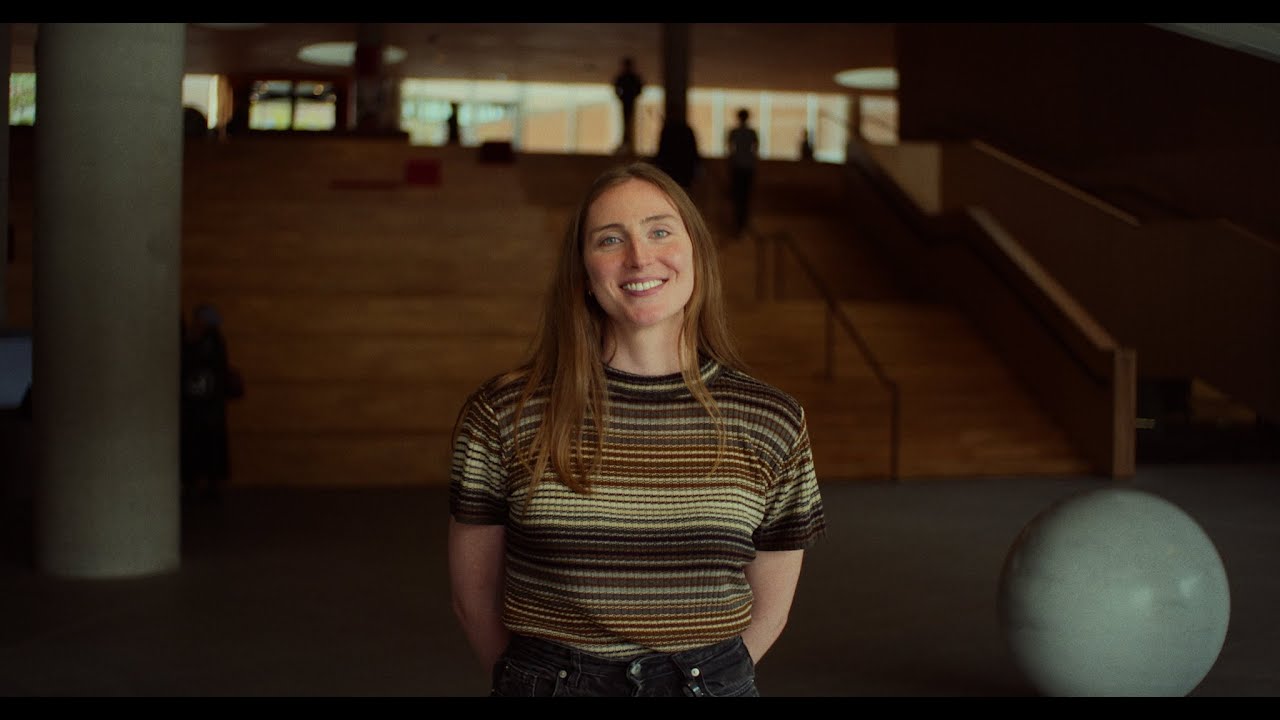 Carolyn Goddard
Kelly Hoogervorst
Meet Neuroscience Academy Denmark PhD fellow Kelly Hoogervorst! Kelly was one of 16 talented neuroscientists selected for the NAD PhD programme in 2024. Now, she is delving into the fascinating world of metacognition in her PhD project at CFIN – Center for Functionally Integrative Neuroscience at Aarhus University.
Pedro Coelho-Cordeiro
Meet Neuroscience Academy Denmark PhD fellow Pedro Coelho-Cordeiro! Pedro is currently working on his PhD project at the Department of Neuroscience, University of Copenhagen. The NAD PhD programme allows Pedro to try new approaches, and he is particularly intrigued by electrophysiology and how animal models can mimic psychiatric disorders like schizophrenia.
Laura De Herde
Meet Neuroscience Academy Denmark PhD fellow Laura De Herde! In collaboration with her research group at Center for Neuroplasticity and Pain at Aalborg University, Laura is working to make breakthroughs in neuromodulation. Laura’s research journey has been uniquely shaped by her enrolment in the NAD PhD programme.
Carolyn Goddard
Meet Neuroscience Academy Denmark PhD fellow Carolyn Goddard! As a PhD student at the Department of Neuroscience, University of Copenhagen, Carolyn’s research challenges the boundaries of pain science, merging it with drug development to find non-addictive treatments for chronic conditions.
Interviews
 Ginevra Matilde Dall’Ò8 April 2024
The NAD PhD programme presents almost endless opportunities for expanding your scientific horizon during the pre-PhD year. At the same time, it is an intense year that makes demands on fellows to reflect on what they learn and make decisions accordingly. After having finished her first lab rotation, Ginevra Matilde Dall’Ò is still deep in the process of collecting input and scoping out a direction for her PhD project.
For her first rotation, Ginevra joined the Paludan Lab at the Department of Biomedicine, Aarhus University, led by Professor Søren Paludan. Working at the intersection of immunology/virology and neuroscience, the group is interested in how the immune system detects viral infection as well as immune defense mechanisms, with a special interest in the virus-infected brain and its immune defense. Professor Søren Paludan is also spearheading the Center for Immunology of Viral Infections (CiViA), consisting of five research groups from Aarhus University and the Technical University of Munich. The center aims to address major unanswered questions within virology and immunology and was established in 2022 with a DKK 60 million grant from the Danish National Research Foundation.
New perspectives on the neuroscience field
With a BSc in Cognitive Psychology and an MSc in Cognitive Neuroscience, Ginevra would like to challenge and broaden her understanding of the neuroscience field during the pre-PhD year. She specifically chose the Paludan lab in order to gain familiarity with the (neuro)immunology field as well as neurobiological methods:
“I am thinking about neuroscience and the brain informed by my background in psychology and cognitive neuroscience whereas (…) here, I gain a new perspective on neuroscience from another field, namely immunology. I had the chance to explore how the immune system and the brain interacts and it provided me with a fresh outlook to understand the inner mechanisms of the brain,” Ginevra says.
During her rotation, Ginevra has been involved in a new project in the lab:
“My project has involved a little bit of neuroscience, as I have studied how the metabolite itaconate is involved in (…) the brain’s immune response. It has been previously shown that itaconate is upregulated in the virus-infected brain, so the underlying question was: how might itaconate impact the innate immune responses, and how could the molecular mechanisms involved be deciphered? I started this project working with mixed brain cells from mice, which was really interesting. It was my first time working with cell cultures, so I got the chance to learn new skills and gain valuable experience. It has been quite challenging because the background of this lab is completely different from mine,” Ginevra explains.
Putting the puzzle pieces together
A lot of work lies ahead for Ginevra and the other NAD fellows when it comes to making sense of the many insights from the pre-PhD year, culminating in drafting and presenting a PhD project proposal later in the year. During her rotation in the lab, Ginevra had the chance to be part of a new project during her rotation in the Paludan lab, and she emphasises how being involved in the early stages and idea-generation phase of a research project is valuable experience leading up to working on her own PhD proposal:
“It has been really nice to see how new projects develop and start, how you get new ideas, and how you direct your research. Now, we have some preliminary data, and things are getting interesting and exciting – and I have to leave,” Ginevra says.
Ginevra has also used these first few months of the pre-PhD year to reflect on how to form a good and translational research question:
”It is really important to me to always take the bigger picture into consideration and keep it in the back of my mind, as you are usually working with a small fraction of larger mechanisms. In this project, the question was more of a basic research question, but it arose from an observation in virus-infected and pathological brains,” Ginevra explains.
In her second rotation at the Department of Neurology at Bispebjerg Hospital with PI Sanne Simone Kaalund, Ginevra is interested in exploring clinical aspects of neuroscience further. In this rotation, she will be working with post-mortem brains of patients diagnosed with multiple system atrophy (MSA), analysing Lewy bodies. While the research itself will not be clinical, she will have the opportunity to shadow a clinician and be part of a hospital environment.
Ginevra is determined to get the most out of the pre-PhD year. This means that she is still very open, both when it comes to her third lab rotation and her future PhD project:
“Here in the Paludan Lab, I work with molecular and cellular systems. Next rotation will be more focused on stereology with a hint of clinical perspective, so maybe the third rotation will be something that combines those two, a bridge. I would also like to get more experience within animal models, so that might be something that I would like to take into consideration.”
The pre-PhD year is a process, and Ginevra is constantly working to pave the way for her future PhD project:
“I think it is just like a puzzle. Currently, I am putting all the pieces together – let us see how the final picture will turn out.”
 Marta Tataryn and Emma Kragelund Christensen16 May 2024
The field of computational neuroscience is in rapid development, and data analysis and machine learning methods are of great interest to neuroscientists around the world as they can help make sense of large and complex data sets and provide new ways of approaching a scientific question.
Both Marta Tataryn (MSc in Neuroscience, University of Trieste) and Emma Kragelund Christensen (MSc in Neuroscience, University of Copenhagen) are trained as experimenters – however, they both came into the NAD PhD programme with a profound interest in computational neuroscience and data analysis methods. This led them to choose to do their first rotation at the Analysis Group with PI Associate Professor Diego Vidaurre, a part of the Center of Functionally Integrative Neuroscience (CFIN) at Aarhus University.
The Analysis Group develops computational models for brain activity across a range of data modalities; invasive and non-invasive electrophysiological data as well as neuroimaging data. They strive to characterise and understand the brain’s spontaneous activity and how this activity shapes perception and, most generally, our relation to the world. Since the way our brain works is in certain ways unique to each of us, these models are fitted at the individual level, which in turn allows the group to study how these subject-specific models relate to and predict behavioral traits and clinical variables.
The group works with datasets generated by a wide range of collaborators from all over the world.
From experiments to analysis
While both fellows share an interest in the data analysis field, their projects during the first rotation have been quite different.
Marta’s main research interests center around perception, memory and learning, and her project during the rotation focused on working with human data sets and improving her skills within coding and machine learning:
“My project was based on investigating spontaneous activity in the brain and especially how this spontaneous activity influences human tactile perception. For my investigation I used an MEG dataset, previously acquired in Dusseldorf University. It was based on a tactile discrimination task designed to be ambiguous. This means that that there were two closely related tactile stimuli in time, so it was difficult for each subject to say whether they perceived one or two stimuli. It was my first time working with a human data set and applying machine learning, which is a computational neuroscience method used to decode brain activity. During my project I decoded behavioral outcomes, so the correctness of the perception in this case, from the spontaneous brain activity.”
Marta feels like this rotation has helped her learn things on two different levels. One is the big picture: as it was Marta’s first time working with a human data set, she feels like she had some exposure to the complex questions that you can ask based on this type of data sets. The other level is the small details: Marta dramatically improved her coding skills, and she learned how to structure human data sets.
One thing that proved challenging for Marta was the lack of ownership over the experiments that data were based on:
“It was a new experience because I was trained as an experimenter, so it was my first time not doing experiments myself. Analysing that dataset was challenging for me as I am new to both cognitive science and machine learning. Without daily discussions with the experimenters to clarify the data structure and their research goals, I encountered some difficulties in understanding the context of the data,” she explains
At the same time, this provided her with valuable time to dive into the complex methods:
“I am happy I started my rotations this way because, being new to my project, I had to spend a lot of time reviewing literature and going through online tutorials to understand it better. This gave me the perfect chance to begin formulating my research question. During this rotation, I acquired a broad perspective of what could be feasible or not. It offered me the tools to move forward in the direction that I want to go. Also, working with human data sets helped me understand what types of questions I could ask,” Marta explains.
With her pre-NAD work centering on spinal cord injuries and spasticity in mouse models, the field of data analysis is also quite new to Emma. For her project in the first rotation, she has been focused on pseudotime analysis:
“Pseudotime is […] latent temporal information that you extract from a data set. Most typically […] single cell data sets, gene expression data. You try to look at the data and find a pattern that can tell you what is going on in the biological process of this particular cell. So you order the cells by the state that they are in,” Emma explains.
During her rotation, Emma has done work based on findings from a paper by Campbell and Yao, who have developed a pseudotime algorithm called Phenopath:
“The authors have developed a pseudotime algorithm for heterogeneous datasets by incorporating covariates to account for their interaction effects on the biological process. By doing this, they suggest that it may be possible to use this algorithm on different kind of data that is not single cell or gene expression data. I tried using it on structural MRI data, focusing on gray matter volumes. Conditions like Alzheimer’s disease are characterized by a large loss of gray matter volume, but gray matter loss also naturally occurs with age. I was trying to implement this algorithm to see if there was a way to find a pseudo-temporal trajectory in the data that allowed me to distinguish healthy subjects from Alzheimer’s disease subjects. The goal was to see whether it could be used as a diagnostic tool,” Emma explains.
Her preliminary results show that there is definitely something to build upon.
Building a basis for a PhD project
Overall, this first rotation has given the two fellows a unique opportunity to dive head-first into the field of data analysis and computational neuroscience, an avenue they are both going to explore further during the pre-PhD year. Both of them expect to use data analysis techniques and computational methods extensively in their PhD projects.
Emma is currently conducting her second rotation at the Danish Research Centre for Magnetic Resonance with PI Kristoffer Hougaard Madsen. She is working with resting state functional MRI data and decomposing the data using ICA (independent component analysis).
Marta is carrying out her second rotation at the Neurobiology Research Unit at Rigshospitalet in the group of Cyril Pernet:
“During my second rotation, I am focusing on developing a paradigm and implementing it to map reward circuits using fMRI within a reinforcement learning framework. I feel that this rotation is laying the groundwork for any project I might undertake during my PhD. I am in the process of defining my scientific question and trying to span between the most methods and perspectives I can, both to refine the question and to identify the best approach to study it. I am exploring, and I am really happy about what is coming out of it,” Marta concludes.
 Christian Holm Steenkjær13 July 2023

The NAD PhD programme greatly emphasises the interdisciplinary and translational aspects of neuroscience. Out of this year’s 16 NAD fellows, three are medical doctors. Christian Holm Steenkjær is one of them, and he went into the pre-PhD year with the clear goal of designing an excellent translational PhD project.
Christian is currently doing his third rotation in the Embodied Computation Group (Aarhus University) led by Professor Micah Allen. The research focus of the group is to investigate how decision-making, emotion and perception are shaped by embodied processes, using tools like computational modelling and advanced neuroimaging.
During his rotation, Christian will mainly be involved in a series of experiments on noradrenaline’s effects on uncertainty and prediction led by postdoc Ashley Tyrer. The on-going study examines how the use of beta blockers, specifically central acting versus cardiac specific beta blockers, influences prediction and certainty of prediction in decision making.
The study heavily employs magnetoencephalography (MEG), a neuroimaging technique useful for measuring the magnetic field generated by the electrical activity of neurons. This technique was one of the main reasons that Christian chose to do his third lab rotation in the Allen group:
“I have been focused on neurodegenerative diseases from the beginning, and quite early on, my interest coalesced into ALS. I was interested to explore the potential of implementing MEG in my PhD project”, Christian says.
In addition to getting hands-on experience with MEG, it was also important for Christian to assess whether it was realistic for him to handle the processing and analysis of MEG data for the duration of his PhD project as he, given his background, only had limited data processing experience beforehand.
While Christian’s topic of interest is quite different from the focus of the Embodied Computation Group, this is a great example of how an NAD fellow can benefit greatly from rotations in diverse labs:
“While Micah’s group certainly incorporates a translational perspective, they are mostly focused on the healthy brain and the foundation of how the brain works. As a clinician, I am of course more interested in the patient-oriented aspect, but I can learn a lot from the methods I have had a chance to try my hand at and the principles that they use.”
Incorporating the clinical research question from the ground up
Christian describes being a part of the NAD PhD programme and especially the lab rotations as an eye-opening experience, and he thinks that his clinical perspective often has been an advantage in terms of contextualising research findings:
“Being a clinician, especially with a neurological background, has often felt like an advantage, because the clinical question and the clinical perspective – and the ‘why’ of research – is always on my mind. It comes easily to me,” Christian explains.
However, having limited experience with basic neuroscience methods and techniques also comes with its own set of challenges:
“While there are advantages to being a clinician in this programme, the exact opposite could also be said to be true as I am at a disadvantage when it comes to methods and techniques in general. While I am used to looking at for example test scans in the clinic, I am also used to taking them at face value. When it comes to the nitty gritty details – what am I actually looking at and how does it work – that has often been an abstract thought for me. Often, I have felt like the stupidest person in the room, but you learn quickly, and the value of this increased understanding cannot be understated: You learn to incorporate the clinical question from the ground up.”
The NAD PhD programme has presented Christian with opportunities he would not have had otherwise:
“I feel extremely privileged to be in the position I am in right now. When I meet other clinicians who are doing a PhD or are in a research position, they are envious that I am able to go into these rotations. When I look back on what I have seen and learned in these past six months, I realise that I have had opportunities that I never would have had if I did a regular PhD project,” Christian says.
These opportunities of course include time for gaining experience with essential neuroscience methods and techniques, but Christian highlights how the rotations have made him aware of how easily collaborations can arise if you are open to them:
“Seeing collaborations form has been really interesting. When starting a PhD project, there are so many things to consider, and you can easily end up staying isolated in your own lab because that is all you can overcome. Being a part of the NAD programme has shown me that collaborations can easily happen.”
 Camilla Trang Vo2 June 2023

Camilla Trang Vo did her second lab rotation in the Palner Group at the University of Southern Denmark. The group investigates the neural circuitries involved in or associated with mood disorders and obsessive compulsive disorder (OCD) and how psychedelic drugs may alleviate symptoms of these disorders. Aside from the topic of mood disorders, which aligns with Camilla’s research interest, one of the main factors that led her to plan a rotation in the group was the lab’s expertise in preclinical PET scanning:
“The PET scanner is a powerful neuroimaging tool for investigating the state of the healthy brain, the brain during disease and the brain after treatment. Even if I do not end up doing my PhD in the Palner Group, I will definitely consider implementing PET scanning in my project,” Camilla says.
After spending a few weeks getting into the lab’s work and gaining hands-on experience with pre-clinical PET scanning in rats, Camilla transitioned into completing her own rotation project on psychedelics and neuroplasticity. She tested if LSD affected neuroplasticity in rats by monitoring FDG-PET uptake immediately after the drug had been administered and a week later to investigate whether there were any persistent changes in brain activity induced by the drug.
Translationality is key
Before starting in the NAD PhD programme, Camilla had limited experience with translational research. During her rotation in the Palner Group, Camilla has had the opportunity to strengthen her sense of what translationality entails:
“I was highly inspired by the way that the Palner Group approached each scientific question and experiment with a set of translational glasses. They continuously drew lines and connections from cellular phenomena to the disease, and I found this very exciting. It has become clear to me that I wish to shape my PhD project with aims and questions that do not solely address cellular mechanisms from a pure basic science point of view, but that are also driven by translational potential and relevance. It also made an enormous impression on me when I, as a part of my rotation, followed an experiment at a hospital where I worked among researchers, doctors and patients,” Camilla says.
Camilla thinks that the lab rotation programme has given her a unique opportunity to explore and gain a greater understanding of the translational perspectives within her field of interest:
“It has been so exciting to see what the research is actually leading towards. We are doing all this basic research not only to gain more knowledge, but most importantly to develop treatment options for patients,” Camilla says.
Considering the research environment
When Camilla entered the NAD programme, she was naturally occupied with planning a set of rotations that would prepare her optimally for carrying out an excellent PhD project by introducing her to new techniques, topics and approaches. However, during her rotations, Camilla has also had a chance to reflect on her preferences in regards to supervision style and work environment – insights that hold great value when deciding where she will carry out her PhD project for the next three years.
One of the key insights that Camilla has obtained is the different dynamics of large and small research groups. Being part of a smaller group means more responsibility, simply because there is no one else to do the work. It also means that you might have more of a say in what direction a project should go.
Being a part of a smaller research community like the one centered around the University of Southern Denmark also affects interactions and collaboration among researchers:
“It is a smaller community, and I think that leads to people interacting with each other in a very down-to-earth and human way. One thing that Mikael has said is that he values collaboration over competition, and I think that sums up the community in Odense well: people collaborate,” Camilla explains.
 Carolyn Goddard15 May 2023
When you first meet Carolyn, you are taken aback by her passion for what she does; she has a natural and infectious curiosity that drives her in her work. Carolyn did not go into the NAD programme with a clear idea of what topic she would like to investigate for her PhD project. Instead, she has been very method-focused when scoping out potential rotation labs:
“I was looking at methods a lot because I wanted to see what I want to use in the future. I knew from the beginning that omics was going to be a part of my PhD project because I like that type of data analysis, especially the breadth and the multi-applicability of it, so I am using the rotation process to dive into this approach. In addition, I really wanted to do at least one rotation involving surgical procedures.”
This led her to approach Professor Winnie Jensen of the Neural Engineering and Neurophysiology Group at Aalborg University Hospital for her first rotation. Winnie’s group works within the field of electrophysiology and electrophysiological animal models:
“I have been working interfacing the nervous system ever since I was a PhD student. I have an engineering background, so my unique approach and one of the things we are strong at here in Aalborg is electrophysiology. I use implantable devices that you could say are comparable to a pacemaker for the peripheral or central nervous system,” Winnie explains.
Winnie is currently occupied with developing chronic pain models of Danish farm pigs, and this is also the project that Carolyn has been involved in.
Making new connections
During her rotation, Carolyn has been broadly involved in the lab’s work: she has done animal behavior, attended surgery courses and observed surgical procedures. She has also been involved in dissecting pigs in addition to preserving and processing samples.
While getting involved in the lab’s current project, Carolyn saw an opportunity to build upon the lab’s existing work. Drawing on her previous experience with mass spectrometry, Carolyn suggested that the samples preserved from the pig dissections were sent for further analysis in order to piece together a map of the adult pig brain:
“I brought up the possibility of bringing some of these tissue samples over to process full RNA sequencing for transcriptomic analysis because the proteome is so spotty. It is quite difficult to put together, but if we could pair it with a transcriptomic analysis, that is a whole project right there. Then you would be piecing together something like a neural atlas of the adult pig”, Carolyn explains.
This project could potentially be highly translatable as pigs have crucial similarities in neurotransmitter systems to humans: “We know very little about the different brain regions in adult pigs, especially the peripheral nervous system and spinal cord. Lots of studies are done in fetal pigs, and with so many industries now coming up with more pig studies, mapping the adult pig brain is going to be extremely relevant”, Carolyn says.
Carolyn’s fresh perspectives has led Winnie to think about the possibility of establishing a collaboration with another lab with expertise within mass spectrometry – a great example of how the rotation process can also set new collaborations between labs in motion:
“I think that is why it is actually nice to have Carolyn come in and be open because proteomics is not my expertise at all. I think it is a really nice example of complementing each other so that we can actually add on to what we do.”
Prior to starting her rotation, Carolyn went to Aalborg for two days to visit Winnie’s lab. She had the opportunity to see the behavior and the surgery, and she was introduced to people working in the lab.
“We were lucky with the timing. We talked in October, and I told Carolyn that we had a surgery going on in November. I think the visit was really good because Carolyn could see what environment she would be heading into, and we also got to explore directions for the rotation project”, Winnie says.
Carolyn, who has done her MSc in Human Biology at the University of Copenhagen, is definitely excited about the research community in Aalborg:
“I have moved around a lot and been to many different cities, and I think this has to be the easiest transition I have ever had.”
Winnie chimes in, pointing out that Aalborg also has a thriving environment for junior scientists.
The rotation process poses a number of benefits, both to NAD fellows like Carolyn, but also to the Danish neuroscience community as a whole. While the NAD fellow is exposed to new techniques and research areas and has the chance to build their network, the PI and host lab can also benefit from the perspectives that the NAD fellow brings into the lab, potentially paving the ground for new collaborations.
 Sofie Aarup Bach31 March 2023
For her first lab rotation, Sofie Aarup Bach changed out the familiar streets of Copenhagen with those of Aarhus, working in the CNS Disease Modeling Group at Aarhus University led by Associate Professor Marina Romeo-Ramos. The group focuses on the neurodegenerative processes in Parkinson’s disease and the interplay with the immune system in this disease, mainly working with animal models and biosamples from patients.
New perspectives on existing knowledge
NAD fellows have a lot of freedom when choosing their rotation lab, and this means that they are also responsible for establishing contact and planning their rotation with their PI. Sofie took several things into account when choosing a lab for her first rotation, including scientific perspectives, work environment and supervision style:
“I looked into the techniques Marina was using and I could see that some of them overlapped with things I have done before, which made me think that I could both learn something new and contribute to the lab’s work. For me, it was also a priority when moving somewhere different that I would come to a place with structure and where things are under control, and that has also been my experience after coming here.”
As it is challenging to design a full project to be completed in just 10 weeks, especially when it involves working with animals, Sofie and her PI Marina agreed prior to the start of the rotation that Sofie should instead be involved in all the different projects in the lab:
“In the first week, I did animal behavior in the animal facility, and I have done immunostaining of mice and rat brains. I have also analysed blood samples from Parkinson’s patients. Lastly, I have been performing flow cytometry, which is a technique that allows us to separate different immune cells to see if there is a mismatch between immunity cells in Parkinson’s disease patients and other patients. I think it has been really good to get a sense of the entire lab.”
This first lab rotation has also shed new light on Sofie’s main research interests:
“I have previously worked with Parkinson’s disease with a more dopaminergic focus, thus the immune system as a contributing factor or even a driving factor in the disease has brought a new and interesting perspective to my already acquired knowledge. I would not mind pursuing this further or at the very least keep it in mind in my future research.”
A home away from home
Sofie, who is currently based in Copenhagen, stayed in Aarhus during the week for the duration of the 10-week rotation, going back to Copenhagen every weekend to spend time with her family. While she has sometimes found it challenging to combine working in another end of the country with family life, Sofie has also seized this opportunity to fully delve into life in the lab:
“Since I have moved away from most of the people I know, I was worried that there would not be enough things to fill out my day. I have been very positively surprised that I have always had something to do in the lab. I feel like I am actually contributing and not just sitting at my desk. (…) It has also been a good experience to be included in a social lab environment where I do not have to say no because I have to pick up my daughter at daycare. I can stay late in the lab, and I can always participate if someone decides to go out for pizza after work.”
Looking towards a PhD project
This first rotation has informed Sofie about her future PhD studies in more ways than one. Before starting her rotation, Sofie was hesitant about working with live animals, but after having a chance to try it out, she would like to include at least some in vivo work in her PhD project. She has also had a chance to reflect on her preferred supervision style:
“I think Marina seems like a very present supervisor who knows what the members of her lab are doing, and she knows the progress of their projects. Her door is always open for questions, and I have realized that I would also like a very involved supervisor who has time to answer questions and knows how it is going and the progress in a project. I think that a good aspect of this programme is that it is a great opportunity to get to know your own preferences in regards to supervision.”
Regardless of where Sofie chooses to do her PhD project, she has made lasting connections:
“I really like Marina and all the people in her lab, and I hope that we can collaborate in the future, even if I do not decide to come here for my PhD project.”
Partner Universities


Graduate School of Health and Medical Sciences
University of Copenhagen

The Graduate School of Health Sciences
University of Southern Denmark
FAQ
Can I apply from outside Denmark?
Yes. Applications are open to candidates
anywhere, and you do not need to be in Denmark when you apply.
Relocation happens after an offer.
Do I need a supervisor before applying?
No. The pre-PhD year exists so that you can
rotate through three laboratories before choosing. You apply to the
programme, not to a group.
What is the salary?
Fellows are employed by their host
university on standard Danish PhD terms. The salary is stated in the
call, which is where to read it: the figures follow the collective
agreement and change.
Can I apply more than once?
Yes. Applying again in a later round is
permitted and is not held against you.
What if none of my rotations work out?
You are not tied to a rotation laboratory.
The programme finds you a suitable group, and the grant follows you
wherever you land.
How competitive is it?
The most recent round drew 807 applications
for 16 fellowships. Read the call carefully and make sure you meet the
criteria before applying.
You are signed in
The whole directory is open to you — 660 researchers, 354 laboratories, and everything they work on.